From logos and characters to digital artwork and photos, just describe the image you want and our AI image generating tool will create the perfect graphic for your project. It’s FREE to try.
Japan possesses a massive, wealthy domestic population. Because Japanese consumers buy physical media (CDs and Blu-rays) and attend live events at high rates, many Japanese entertainment companies historically ignored the global market. They tailored their products strictly to domestic tastes, creating an isolated, highly unique ecosystem—much like the isolated evolution of species on the Galápagos Islands.
: Traditional forms like Kabuki (dance-drama) and Noh (supernatural-themed masked theater) continue to influence modern cinematography and character design.
The industry currently faces a crossroads. A shrinking, aging population means the domestic market is tightening, forcing companies to look outward. This has led to a surge in collaborations with platforms like Netflix and the global "simulcasting" of anime.
Simultaneously, Japan is embracing new digital horizons. Virtual YouTubers (VTubers)—digital avatars controlled by real-time motion-capture performers—have exploded out of Japan to become a multi-million-dollar global industry. This showcases Japan's enduring talent for inventing entirely new categories of entertainment. caribbeancom 031814563 hana yoshida jav uncens exclusive
Japan fundamentally shaped the global video game industry. Following the North American video game crash of 1983, Japanese companies like Nintendo and Sega rebuilt the medium from the ground up. Characters like Mario, Sonic, and Link became universal cultural icons.
Unique Cultural Mechanics: Galápagos Syndrome and Otaku Culture
As global audiences become hungrier for authentic, non-Western narratives, Japan will likely deepen its cultural hegemony. But to truly appreciate it, one must look beyond the anime posters. Look at the exhaustion of a stagehand at a Takarazuka Revue. Listen to the silence of a Bunraku puppet master who breathes life into wood. Watch the rigid smile of a TV variety show host who hasn't slept in 48 hours. Japan possesses a massive, wealthy domestic population
The three pillars of classical Japanese theatre are Kabuki (elaborate costumes and drama), Noh (stylized, mask-based storytelling), and Bunraku (sophisticated puppet theater).
What makes Japanese entertainment resonate so deeply is the underlying philosophy.
Japan played a foundational role in rescuing and shaping the global video game industry after the American market crash of 1983. : Traditional forms like Kabuki (dance-drama) and Noh
Japan's entertainment ecosystem is vast, but it is primarily anchored by four interconnected mega-sectors: Anime, Manga, Gaming, and Music. 1. Anime and Manga: The Global Vanguard
In the 2000s, the Japanese government recognized this cultural capital and formalized it into the initiative. This state-backed strategy treats entertainment as a primary tool of "soft power"—using cultural influence rather than economic or military might to build global goodwill and diplomatic ties.
In conclusion, the Japanese entertainment industry is a powerful and intricate cultural system. It does not simply sell products; it sells versions of Japan. Through anime, it exports a Japan of nuanced philosophy and intense emotion; through television, it reinforces a domestic Japan of social ritual and careful performance; through music, it experiments with a future Japan of technological symbiosis and hybrid genres. The industry’s greatest strength lies in its ability to hold contradictions in balance: ancient and futuristic, group-oriented and individually expressive, conservative and radical. As Japan continues to navigate a shrinking population and an increasingly globalized world, its entertainment industry will remain the nation’s most vital tool for self-understanding and international communication. It is, and will continue to be, the living, breathing story of Japan itself.
Anime (animation) and manga (comic books) are the crown jewels of Japan's cultural exports. Unlike Western comics, which historically focused on superheroes, manga spans every conceivable genre—from corporate drama and sports to psychological horror and slice-of-life romance.
This public link is valid for 7 days and shares a thread, including any personal information you added. This link or copies made by others cannot be deleted. If you share with third parties, their policies apply. Can’t copy the link right now. Try again later.
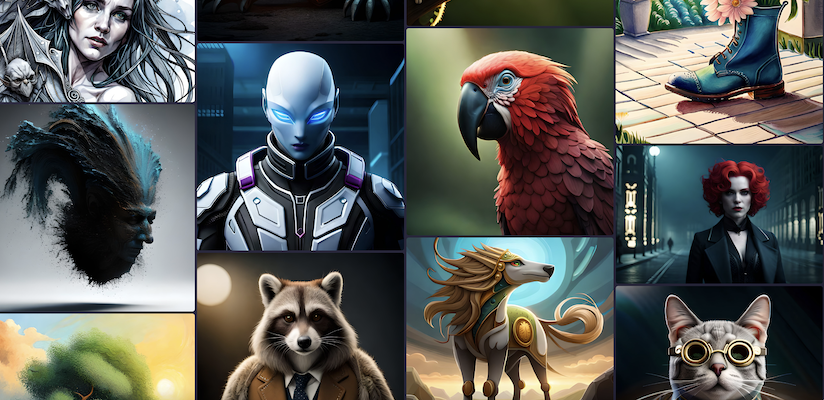
BlueWillow converts your prompt into AI artwork. Give it a try!

Logos
Graphics
Photo-realistic images
Sign up for our newsletter to keep up to date on the latest developments in BlueWillow and receive tips and tutorials for creating the best AI pictures.

Coral Junction Life © 2026
