Nudist Junior Miss Pageant Contest 20085wmv New

Long-term consistency driven by enjoyment and improved mobility.

Beyond the Scale: Embracing Body Positivity as a Wellness Lifestyle

: Engaging in physical activity for energy, strength, and mental health rather than solely to change body shape.

Integrating body positivity into your daily wellness routine requires a mindset shift from punishment to nourishment. Here are the core pillars of this integrated lifestyle: 1. Joyful Movement Over Punitive Exercise nudist junior miss pageant contest 20085wmv new

: Center voices from marginalized communities to ensure the "lifestyle" is accessible to all body types, rooted in principles of diversity and equity .

If you would like to expand this article, let me know if you want to focus on:

This is the wellness trap: using the language of self-care to justify old habits of self-policing. “I’m doing this for my health” becomes a more socially acceptable way of saying “I’m afraid of taking up space.” And the real fear beneath so much wellness culture isn’t sickness — it’s softness. It’s the belly that folds when you sit. The thighs that touch. The skin that isn’t glowing. The rest you can’t monetize. Here are the core pillars of this integrated lifestyle: 1

Before we can integrate the two concepts, we must clear up a major misconception. Body positivity is an anti-health movement. It is an anti-oppression movement.

Wellness often gets bogged down in restrictive "diets." Body positivity introduces —a practice of listening to your hunger cues and honoring what your body actually needs. It’s about eating the kale because it makes you feel energized, and eating the cake because it makes you feel happy, without the side of guilt. 3. Radical Self-Compassion

Taking care of your body because you value it yields better long-term health outcomes than acting out of self-loathing. “I’m doing this for my health” becomes a

If you enjoyed this article, share it with someone who needs permission to exist in their body while pursuing their health. The world needs fewer before-and-after photos and more here-and-now celebrations.

Wellness encompasses mental, emotional, and social well-being, not just physical metrics.



Commentary volume

Commentary volume

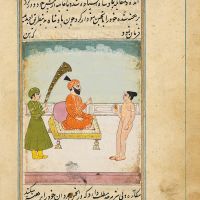
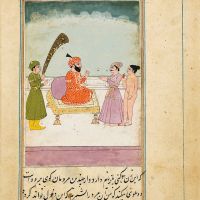
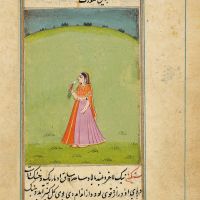
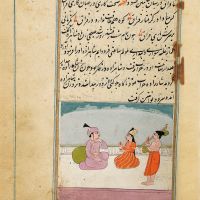
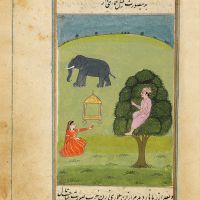
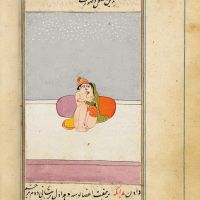
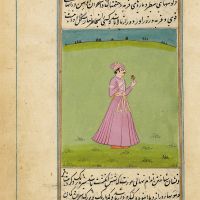
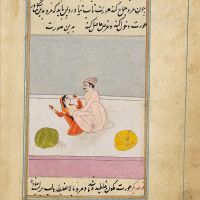
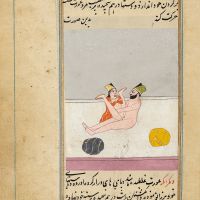
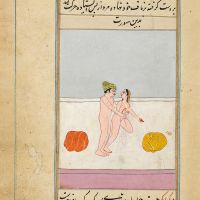
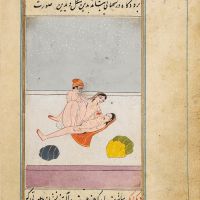
Lazzat al-nisâ (The pleasure of women)

Bibliothèque nationale de France


CONTENTS
 
  • From the Editor to the Reader
 
  • Lazzat al-nisâ and Its Significance in the Erotic Literature of the Persianate World.
Hormoz Ebrahimnejad (University of Southampton)
 
  • Lazzat al-nisâ. Translation.
Willem Floor (Independent Scholar), Hasan Javadi (University of California, Berkeley) and Hormoz Ebrahimnejad (University of Southampton)


ISBN : 978-84-16509-20-1

Commentary volume available in English, French or Spanish.

Lazzat al-nisâ (The pleasure of women) Bibliothèque nationale de France


Descripcion

Description

Lazzat al-nisâ (The pleasure of women)

Bibliothèque nationale de France


In Muslim India numerous treatises were written on sexology. Many of them included prescriptions concerning problems dealing with virility or, more precisely, with masculine sexual arousal. The Sanskrit text which is considered the primary source for all Persian translations is known as the Koka Shastra (or Ratirahasya) —derived from its author’s name, Pandit Kokkoka—, a title that was later given to all treatises in the genre. The Koka Shastra by Kokkoka was probably not the only such text known to Muslim authors.

The Lazzat al-nisâ is a Persian translation of the Koka Shastra, which contains descriptions of the four different types of women and indicates the days and hours of the day in which each type is more prone to love. The author quotes all the different works he has consulted, which have not survived to this day.


Long-term consistency driven by enjoyment and improved mobility.

Beyond the Scale: Embracing Body Positivity as a Wellness Lifestyle

: Engaging in physical activity for energy, strength, and mental health rather than solely to change body shape.

Integrating body positivity into your daily wellness routine requires a mindset shift from punishment to nourishment. Here are the core pillars of this integrated lifestyle: 1. Joyful Movement Over Punitive Exercise

: Center voices from marginalized communities to ensure the "lifestyle" is accessible to all body types, rooted in principles of diversity and equity .

If you would like to expand this article, let me know if you want to focus on:

This is the wellness trap: using the language of self-care to justify old habits of self-policing. “I’m doing this for my health” becomes a more socially acceptable way of saying “I’m afraid of taking up space.” And the real fear beneath so much wellness culture isn’t sickness — it’s softness. It’s the belly that folds when you sit. The thighs that touch. The skin that isn’t glowing. The rest you can’t monetize.

Before we can integrate the two concepts, we must clear up a major misconception. Body positivity is an anti-health movement. It is an anti-oppression movement.

Wellness often gets bogged down in restrictive "diets." Body positivity introduces —a practice of listening to your hunger cues and honoring what your body actually needs. It’s about eating the kale because it makes you feel energized, and eating the cake because it makes you feel happy, without the side of guilt. 3. Radical Self-Compassion

Taking care of your body because you value it yields better long-term health outcomes than acting out of self-loathing.

If you enjoyed this article, share it with someone who needs permission to exist in their body while pursuing their health. The world needs fewer before-and-after photos and more here-and-now celebrations.

Wellness encompasses mental, emotional, and social well-being, not just physical metrics.

Cookie preferences

We use our own and third-party cookies to improve our services by analyzing your browsing habits. For more information, you can read our cookie policy. You can accept all cookies, configure them, or reject their use by clicking one of the buttons below.