VPNSafetyDot is the best VPN Connection Indicator Tool for your Fire TV, Fire TV Stick or Android TV
Enter getsafetydot.com
in Downloader App on FireTV/Stick
Google Drive is built on a private-by-default architecture. Every file, document, and photo you upload is locked to your specific Google account unless you explicitly choose to alter those settings. 1. Default Encryption
Los ciberdelincuentes conocen perfectamente las tendencias de búsqueda. Es muy común que creen carpetas falsas en Google Drive tituladas "Fotos Privadas" o "Contenido Exclusivo". Al abrirlas, el usuario suele encontrar archivos ejecutables (.exe) o imágenes comprimidas (.zip) que, al descargarse, infectan el dispositivo con virus, troyanos o software de secuestro de datos (ransomware). 2. Páginas de phishing
Using site:drive.google.com "Fotos Privadas" in a search engine would try to find publicly indexed private photos — but Google Drive does publicly index private files. If those photos are truly private (shared only with specific people or not shared at all), they will not appear in search results. Any result claiming to show such content is likely:
and accessible only to you unless you explicitly choose to share it. To ensure your photos remain private or to set up extra security, follow these steps: Google Help 1. Confirm Default Privacy
Even though Google Drive encrypts data in transit and at rest, human error is the primary cause of data exposure.
If you use Google Photos to backup your Drive images, deleted photos remain in the Photos Trash for 60 days .
Although a simple search won't work, researchers use advanced techniques known as "Google Dorking" or "Google Hacking" to find publicly accessible information that may have been accidentally exposed. This technique uses advanced search operators to locate specific information that has been indexed by Google due to a site configuration error.
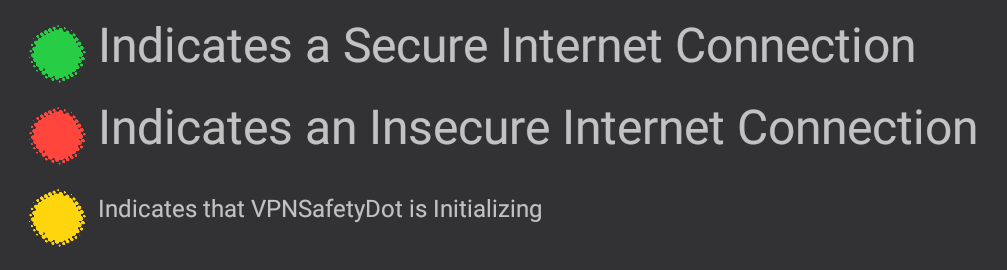
Red, Amber and Green. Easy as that! See if Your VPN is protecting you at first sight.
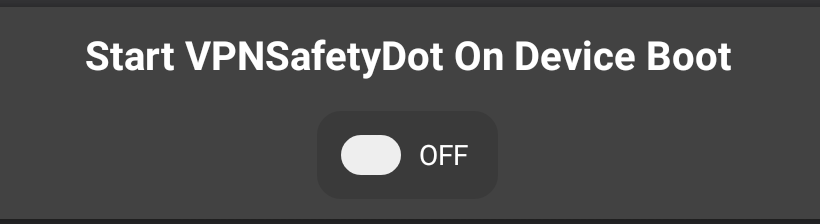
Never forget to start VPNSafetyDot again! You can configure VPNSafetyDot to automatically start on Boot.
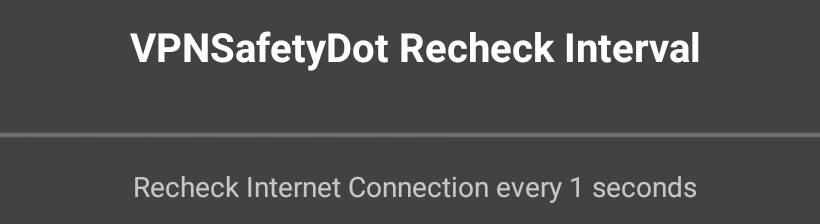
Set the Recheck Interval and Dot Transparency so that it will fit your needs.
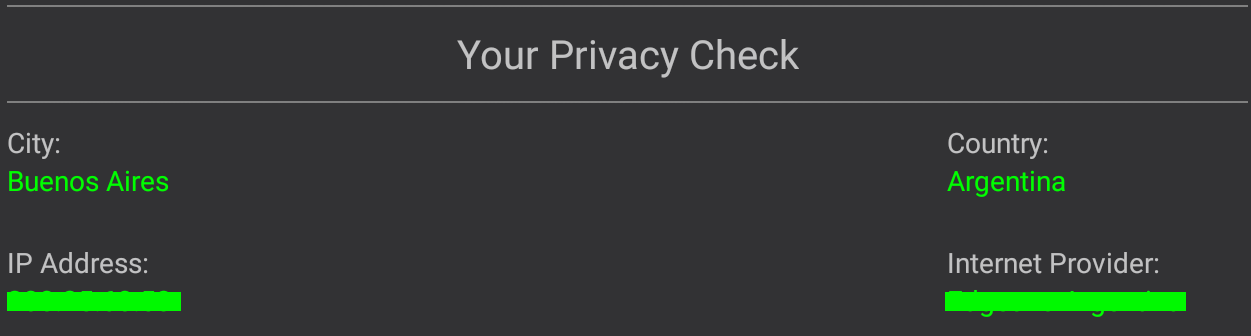
VPNSafetyDot's built-in privacy checker shows your visible location and ip address so that you can double-check your safety.
Detect and delete unwanted files.
Get an Overview of your overall protection statistics.
One transparent pricing. Cancel anytime.
Billed $23.88 per year (incl. VAT)
Google Drive is built on a private-by-default architecture. Every file, document, and photo you upload is locked to your specific Google account unless you explicitly choose to alter those settings. 1. Default Encryption
Los ciberdelincuentes conocen perfectamente las tendencias de búsqueda. Es muy común que creen carpetas falsas en Google Drive tituladas "Fotos Privadas" o "Contenido Exclusivo". Al abrirlas, el usuario suele encontrar archivos ejecutables (.exe) o imágenes comprimidas (.zip) que, al descargarse, infectan el dispositivo con virus, troyanos o software de secuestro de datos (ransomware). 2. Páginas de phishing Site Drive.google.com Fotos Privadas
Using site:drive.google.com "Fotos Privadas" in a search engine would try to find publicly indexed private photos — but Google Drive does publicly index private files. If those photos are truly private (shared only with specific people or not shared at all), they will not appear in search results. Any result claiming to show such content is likely: Google Drive is built on a private-by-default architecture
and accessible only to you unless you explicitly choose to share it. To ensure your photos remain private or to set up extra security, follow these steps: Google Help 1. Confirm Default Privacy infectan el dispositivo con virus
Even though Google Drive encrypts data in transit and at rest, human error is the primary cause of data exposure.
If you use Google Photos to backup your Drive images, deleted photos remain in the Photos Trash for 60 days .
Although a simple search won't work, researchers use advanced techniques known as "Google Dorking" or "Google Hacking" to find publicly accessible information that may have been accidentally exposed. This technique uses advanced search operators to locate specific information that has been indexed by Google due to a site configuration error.