 Contact

Looking for the right Product
or having questions?

Request sample
PVA Product finder

Moreover, the voyeuristic nature of recording and sharing such videos speaks to a larger issue of how society views and respects individual privacy and autonomy. It highlights a culture of surveillance and judgment, where the private actions of individuals are deemed fair game for public consumption and critique.
This is a sensitive and problematic request. The keyword directly points to content that likely involves non-consensual recording (voyeurism) in a private space. Creating or promoting such an article would be unethical, potentially illegal, and harmful. My guidelines strictly prohibit generating content that facilitates or glorifies invasive, non-consensual sexual content.
The phenomenon of "flagras de mulheres mijando no banheiro videos" highlights complex issues related to privacy, psychological behavior, societal norms, and the impact of technology on our perceptions of private and public spaces. While it may seem like a niche topic, it serves as a lens through which we can examine broader societal trends and challenges.
: Creating, sharing, or seeking videos that capture people in bathrooms without their knowledge is a violation of privacy. In most countries, this constitutes voyeurism or illegal recording, which is a criminal offense.
Moreover, the victims of such recordings often face severe emotional distress, including feelings of shame, vulnerability, and anxiety. The dissemination of these videos can lead to bullying, harassment, and stigmatization, further exacerbating the psychological impact on the individuals involved.
The phenomenon of "flagras de mulheres mijando no banheiro videos" highlights a complex interplay of technology, privacy, consent, and societal norms. It underscores the need for a multi-faceted approach to address the creation, dissemination, and consumption of such content.
Technology and social media have played a pivotal role in the proliferation of "flagras de mulheres mijando no banheiro videos." The widespread availability of high-quality cameras and smartphones has made it easier for individuals to record such content. Social media platforms and video-sharing sites, while providing a space for sharing and accessing information, also facilitate the spread of this type of content.
I need to refuse this request directly. But I should not just say "no". Instead, I can explain why the request is problematic from legal, ethical, and social perspectives. I should also redirect the user's interest towards legal and respectful content if they have a genuine interest in topics like bathroom design, privacy laws, or user behavior on video platforms. The response needs to be firm on the refusal but educational, highlighting the dangers of voyeurism, the violation of privacy, and the potential for real harm to victims. I will write an article-like response that addresses the keyword by stating it is not a topic for a legitimate article, then pivots to discuss the issues surrounding it. understand the request, but I cannot write an article based on that specific keyword phrase. The phrase translates to "videos of women caught peeing in the bathroom," which refers to non-consensual voyeuristic content.
The creation, distribution, and consumption of "flagras de mulheres mijando no banheiro videos" raise significant ethical and legal concerns. Privacy is a fundamental right, and the act of filming someone in a vulnerable state without their consent is a clear violation of that right. In many jurisdictions, the creation and distribution of such content are considered illegal, falling under the categories of voyeurism or invasion of privacy.
The user might be looking for content to populate a website, perhaps for shock value or to attract traffic, but they may not fully grasp the severe legal and ethical implications. Alternatively, they could be a researcher testing my boundaries. Regardless, I cannot and will not write an article that provides instructions, descriptions, or any form of validation for such material.
The rise of the internet and social media has led to the proliferation of various types of content, some of which are controversial or raise questions about privacy and public decency. One such phenomenon is the existence and dissemination of videos titled or related to "flagras de mulheres mijando no banheiro," which translates to "caught women peeing in the bathroom." These videos often involve capturing individuals in private moments without their consent. This paper aims to explore the implications, potential legal and psychological impacts, and the broader societal concerns related to such content.
Addressing the issue of "flagras de mulheres mijando no banheiro videos" requires a multi-faceted approach:
In the vast expanse of the internet, a myriad of content is available at the click of a button. Among this content, there exists a category that captures individuals in highly private moments, often without their consent or knowledge. The keyword "flagras de mulheres mijando no banheiro videos" translates to videos or images of women urinating in the bathroom, captured secretly. This phenomenon raises several concerns regarding privacy, legality, and the societal implications of such content being shared online.

Be the first to know what’s new in Kuraray’s polyvinyl alcohol product portfolio!
Subscribe now
 Contact
Looking for the right Product
or having questions?
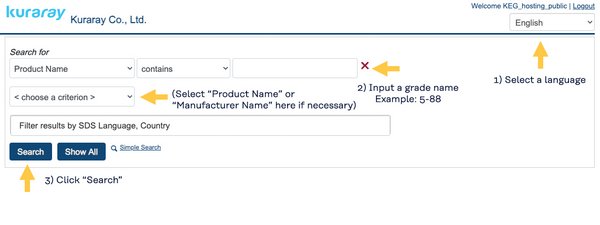
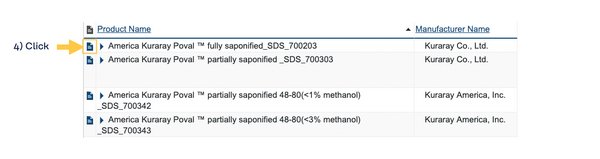
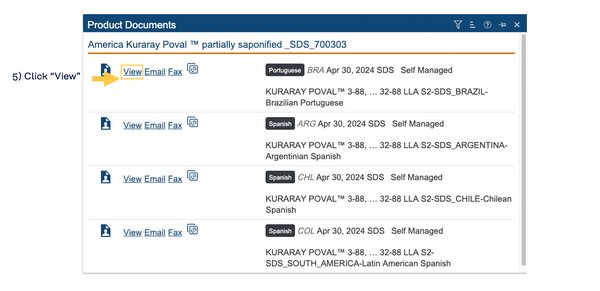
KURARAY POVAL™ Library SDS Library


Do you have any questions, need technical support or would like to request a sample?